Top
Rats

How to Identify Rats

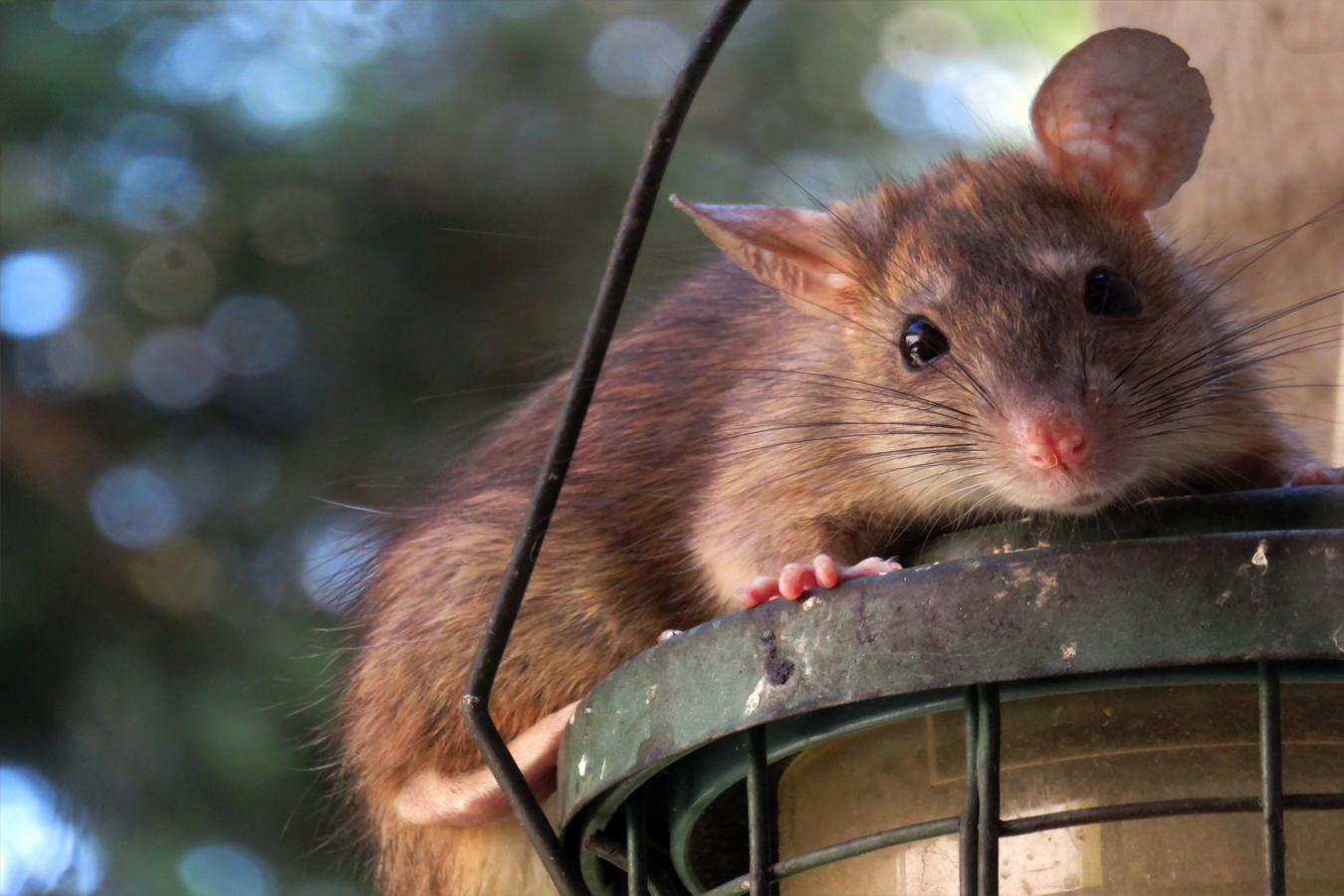
Rats are medium-sized rodents that can cause significant damage and transmit serious diseases. In Quebec, we mainly find the Norway rat (sewer rat) and the black rat.

Physical Characteristics

  • Size: 20-25 cm body + 15-20 cm tail
  • Weight: 200-500 grams
  • Color: Grayish-brown to black
  • Pointed snout, small ears, black eyes

Where Rats

Basements and Cellars

Dark, damp and rarely visited spaces. Behind appliances and inoins.

Waste Areas

Near trash cans, compost, food storage areas and organic wasteiques.

Walls and Ceilings

In wall cavities, false ceilings, insulation and spaces between floors.

Sewers and Pipes

Sewer systems, plumbing, drains and other underground infrastructure.

Risks and Consequences

Rats represent a serious danger to public health and can cause considerable material damage to your property.

Health Risks

  • Transmission of serious diseases (leptospirosis, hantavirus)
  • Food and surface contamination
  • Allergies caused by urine and droppings
  • Parasites carried (fleas, ticks, mites)
  • Bites that can cause infections

Material Damage

  • Gnawing of electrical wires (fire risk)
  • Damage to structures and insulation
  • Destruction of food and goods
  • Contamination by urine and droppings

Did You Know?

A female rat can have up to 12 litters per year with 6-12 young per litter. An infestation can grow exponentially in just a few months.

Rats can gnaw almost anything: wood, plastic, aluminum and even concrete. Their teeth grow continuously, forcing them to gnaw constantly.

Signs of Infestation

Quickly detect the presence of rats by monitoring these telltale signs

Droppings

Dark droppings 10-20 mm, capsule-shaped with pointed ends. Fresh: black and shiny, old: gray and dry.

Gnawing Marks

Tooth marks on wood, plastic, electrical wires, food packaging. 5-7 cm holes in walls and floors.

Tracks and Trails

Dark grease trails along walls and baseboards. Paw prints in dust or dusty areas.

Nocturnal Sounds

Scratching, running, squeaking in walls, ceilings or under floors, especially at night when rats are active.

Nests

Piles of shredded materials (paper, fabric, insulation) in hidden and protected places, often near food sources.

Odeur d'Ammoniaque

Odeur forte et persistante d'urine, particulièrement prononcée dans les espaces fermés et les zones d'infestation importante.

Prevention Tips

Protect your home against rats with these preventative measures

Seal Entry Points

Seal all holes and cracks larger than 6 mm with metal, concrete or steel wool. Install grilles on vents.

Gestion des Déchets

Use airtight garbage cans, take out trash regularly, clean storage areas. Keep garbage cans away from the house.

Stockage Alimentaire

Store food in airtight metal or thick glass containers. Clean spills immediately.

Entretien Extérieur

Trim vegetation near the house, eliminate debris and clutter. Maintain a clear zone around the building.

Our Professional Treatment

Complete and guaranteed elimination with our 4-step protocol

1

Complete Inspection

Évaluation détaillée pour identifier les points d'entrée, nids, pistes et niveau d'infestation. Plan d'action personnalisé.

2

Active Rodent Control

Strategic installation of traps and secured bait stations. Use of professional rodenticides.

3

Exclusion

Professional sealing of entry points with resistant materials. Installation of permanent physical barriers.

4

Follow-up and Guarantee

Regular monitoring visits, treatment adjustment if necessary. Complete satisfaction guarantee.

Why Choose Intactgp?

Certified Technicians

Written Guarantee

24/7 Service

Safe Products

Need a Quick Intervention?

Don't let rats invade your home. Contact us now for a free inspection and detailed quote.

Emergency 24/7