Top
Wasps

How to Identify Wasps

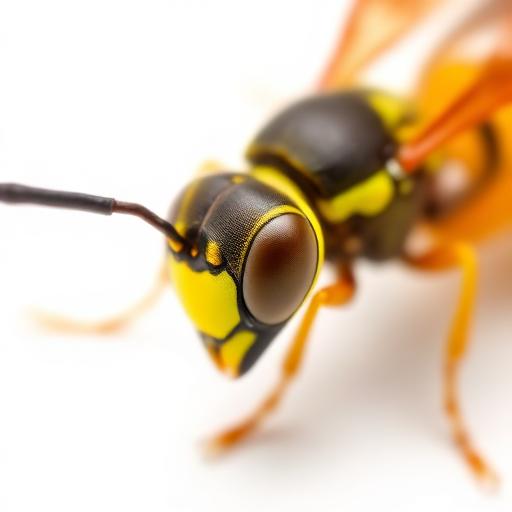
Wasps are flying insects that can become aggressive when they feel threatened. Their identification is essential for safe intervention.

Physical Characteristics

  • Size: 10-19 mm in length
  • Color: Distinctive yellow and black stripes
  • Body: Narrow waist between thorax and abdomen
  • Wings: Two pairs of transparent wings
  • Behavior: Flying insects, painful stings

Where Wasps

Eaves and Soffits

Under eaves, in soffits, and protected corners of the house.

Attics and Lofts

In attics, lofts and unused spaces of the house.

Arbres et Arbustes

In tree branches, shrubs, and dense vegetation of the garden.

Ground and Cavities

Underground nests, wall cavities and hollow spaces in structures.

Risks and Consequences

Wasps represent a real danger to health and safety, especially when they feel threatened or their nest is disturbed.

Health Impacts

  • Extremely painful stings
  • Serious allergic reactions (anaphylaxis)
  • Possibility of multiple stings
  • Aggressive behavior when disturbed
  • Increased risk for children and allergic people

Property Impacts

  • Large nests in structures
  • Damage to eaves and soffits
  • Inability to use certain outdoor areas
  • Danger for outdoor activities

Did You Know?

Unlike bees, wasps can sting multiple times without dying. They can also release alarm pheromones that attract other wasps to attack.

A wasp nest can contain up to 5,000 individuals at the end of the season. Never attempt to remove a nest yourself - call professionals.

Signs of Infestation

Quickly detect the presence of wasps by monitoring these telltale signs

Visible Nests

Gray or brown paper structures, often umbrella or spherical shaped, attached to structures or in trees.

Increased Activity

Notable increase in the number of wasps flying around your property, especially near food areas.

Buzzing

Constant buzzing sounds from walls, attics or outdoor areas where a nest might be hidden.

Entry/Exit Points

Wasps regularly entering and exiting holes in walls, soffits or other structure openings.

Aggressive Behavior

Wasps flying aggressively around people or attacking when approaching certain areas.

Nest Materials

Presence of materials resembling papier-mâché or small pieces of chewed wood near construction areas.

Prevention Tips

Protect your home against wasps with these preventative measures

Seal Entry Points

Seal all holes, cracks and openings in walls, soffits and foundations to prevent nest construction.

Eliminate Food Sources

Keep garbage cans well closed, clean sweet spills and cover food during outdoor meals.

Professional Removal

Have nests removed by equipped professionals. Never attempt to remove a nest yourself - it's extremely dangerous.

Avoid DIY

Do not use over-the-counter products that can worsen the situation and cause mass attacks.

Our Professional Treatment

Safe and complete elimination with our 4-step protocol

1

Inspection and Location

Precise identification of all nests and assessment of infestation level to plan intervention.

2

Protective Equipment

Our technicians use full protective suits and specialized equipment for safe intervention.

3

Insecticide Application

Targeted treatment with fast-acting professional insecticides to neutralize the nest safely.

4

Removal and Prevention

Safe nest removal and advice to prevent future infestations. Follow-up if necessary.

Why Choose Intactgp?

Certified Technicians

Safe Intervention

24/7 Service

Complete Guarantee

Need Urgent Service?

Don't take risks with wasps. Contact us now for safe and professional intervention.

Emergency 24/7